
In today’s digital age, understanding the fundamentals of digital marketing is crucial for anyone looking to build a brand or business online. Whether you’re a small business owner, a student, or simply curious about the field, this guide will break down the core concepts of digital marketing in a clear and straightforward way.
What is Digital Marketing?
Digital marketing involves using online platforms and technologies to promote products, services, or brands. Unlike traditional marketing, which relies on print ads and TV commercials, digital marketing focuses on leveraging the internet to reach and engage with potential customers.
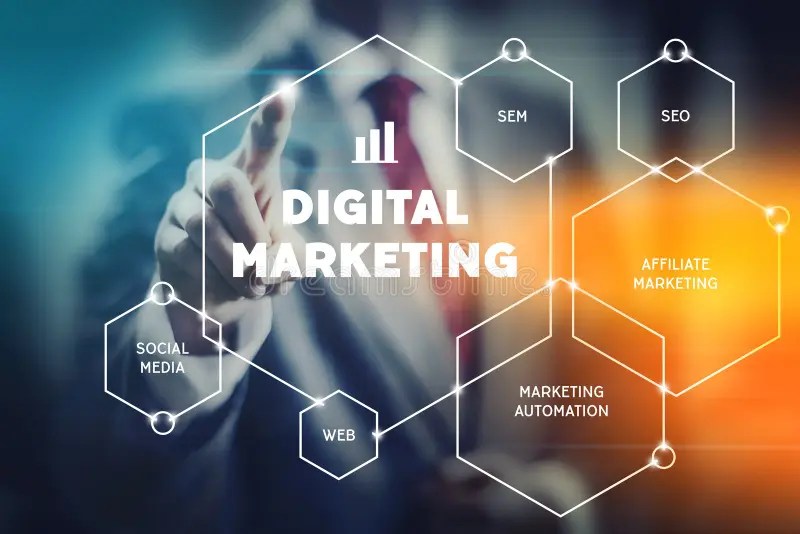
Key Components of Digital Marketing
- Search Engine Optimization (SEO)
- What It Is: SEO is the process of optimizing your website so it ranks higher in search engine results pages (SERPs). This makes it more likely that potential customers will find you when they search for relevant keywords.
- How to Do It: Use keywords strategically in your content, optimize meta tags, improve site speed, and build backlinks from reputable sites.
- Content Marketing
- What It Is: Content marketing involves creating valuable, relevant content to attract and engage your target audience. This can include blog posts, videos, infographics, and more.
- How to Do It: Develop a content strategy that addresses your audience’s pain points and interests. Use content to establish authority and build trust.
- Social Media Marketing
- What It Is: This is the use of social media platforms like Facebook, Instagram, Twitter, and LinkedIn to promote your brand and engage with your audience.
- How to Do It: Create a social media strategy that includes regular posting, engaging with followers, and running targeted ads. Choose platforms that align with your audience’s preferences.
- Email Marketing
- What It Is: Email marketing involves sending targeted emails to a list of subscribers to nurture leads and build relationships with customers.
- How to Do It: Segment your email list based on customer behavior and preferences. Craft personalized and relevant email content to drive engagement.
- Pay-Per-Click Advertising (PPC)
- What It Is: PPC is a form of online advertising where you pay each time someone clicks on your ad. This includes Google Ads and social media ads.
- How to Do It: Set up targeted ads that appear in search results or on social media. Use keyword research and audience targeting to maximize ROI.
- Analytics and Data Analysis
- What It Is: Analytics involves tracking and analyzing data from your digital marketing efforts to understand what’s working and what needs improvement.
- How to Do It: Use tools like Google Analytics to monitor website traffic, user behavior, and conversion rates. Use these insights to refine your marketing strategies.
Developing a Digital Marketing Strategy
To create an effective digital marketing strategy, follow these steps:
- Set Clear Goals: Define what you want to achieve, whether it’s increasing website traffic, generating leads, or boosting sales.
- Know Your Audience: Research and understand who your target audience is, including their preferences, behaviors, and pain points.
- Choose the Right Channels: Based on your audience, select the digital marketing channels that will be most effective for reaching and engaging them.
- Create a Content Plan: Develop a content calendar that outlines what content you will create and when it will be published.
- Monitor and Adjust: Regularly review your performance metrics and adjust your strategies based on what the data tells you.
Job Hunting Tips for Digital Marketing Beginners
If you’re looking to start a career in digital marketing, here are some tips to help you land your first job:
- Build a Strong Portfolio
- Why: A portfolio showcases your skills and experience to potential employers. Include examples of projects, campaigns, and content you’ve created.
- How: Start with personal or freelance projects, internships, or volunteer work. Use platforms like Behance or create a personal website to display your work.
- Gain Relevant Certifications
- Why: Certifications can validate your skills and make you stand out to employers.
- How: Look for certifications from reputable organizations such as Google Analytics, HubSpot, or Facebook Blueprint. Many of these are free or low-cost.
- Stay Updated with Industry Trends
- Why: Digital marketing is a rapidly evolving field. Staying informed about the latest trends and technologies will keep you competitive.
- How: Follow industry blogs, attend webinars, and join digital marketing communities on LinkedIn or other platforms.
- Network with Professionals
- Why: Networking can help you learn from others and discover job opportunities.
- How: Attend industry events, join digital marketing groups on social media, and connect with professionals in the field. Don’t be afraid to reach out for informational interviews.
- Tailor Your Resume and Cover Letter
- Why: Customizing your resume and cover letter for each job application shows that you’ve done your research and are genuinely interested in the role.
- How: Highlight relevant skills, experience, and accomplishments that align with the job description. Use keywords from the job posting to pass through Applicant Tracking Systems (ATS).
- Prepare for Interviews
- Why: Strong interview skills are essential to make a good impression.
- How: Practice common interview questions, and be prepared to discuss your portfolio and how you approach digital marketing challenges. Demonstrate your problem-solving skills and enthusiasm for the field.
Conclusion
Digital marketing is a dynamic field with many moving parts, but understanding these fundamental components will set you on the right path. By mastering SEO, content marketing, social media, email marketing, PPC, and analytics, you can create a robust digital presence and effectively connect with your audience. Stay curious, keep learning, and adapt to new trends to keep your marketing efforts fresh and effective.
Happy marketing!
 Crenwelge Creative
Leave a comment